Author: Rob Moal, CPT | Published: 2026 | Reviewed by: Rob Moal, CPT, FMS, Precision Nutrition
Quick Answer
The five best compound movements for fat loss are the squat, deadlift, bench press, overhead press, and pull-up. These lifts work multiple muscle groups at once, burn the most calories per session, and build lean muscle that keeps your metabolism elevated all day. Three to four full-body sessions per week built around these movements beats any cardio-based approach for sustainable fat loss.
When it comes to losing fat, endless cardio is one of the least efficient tools available. The workouts that actually move the needle are built around compound lift exercises that work multiple muscle groups at once, burn significant calories during the session, and build lean muscle that keeps your metabolism elevated all day.
At Train Like Rob, these are the lifts I build every fat loss program around. Here are the five best compound movements for weight loss, how to do them right, and how to progress them over time.
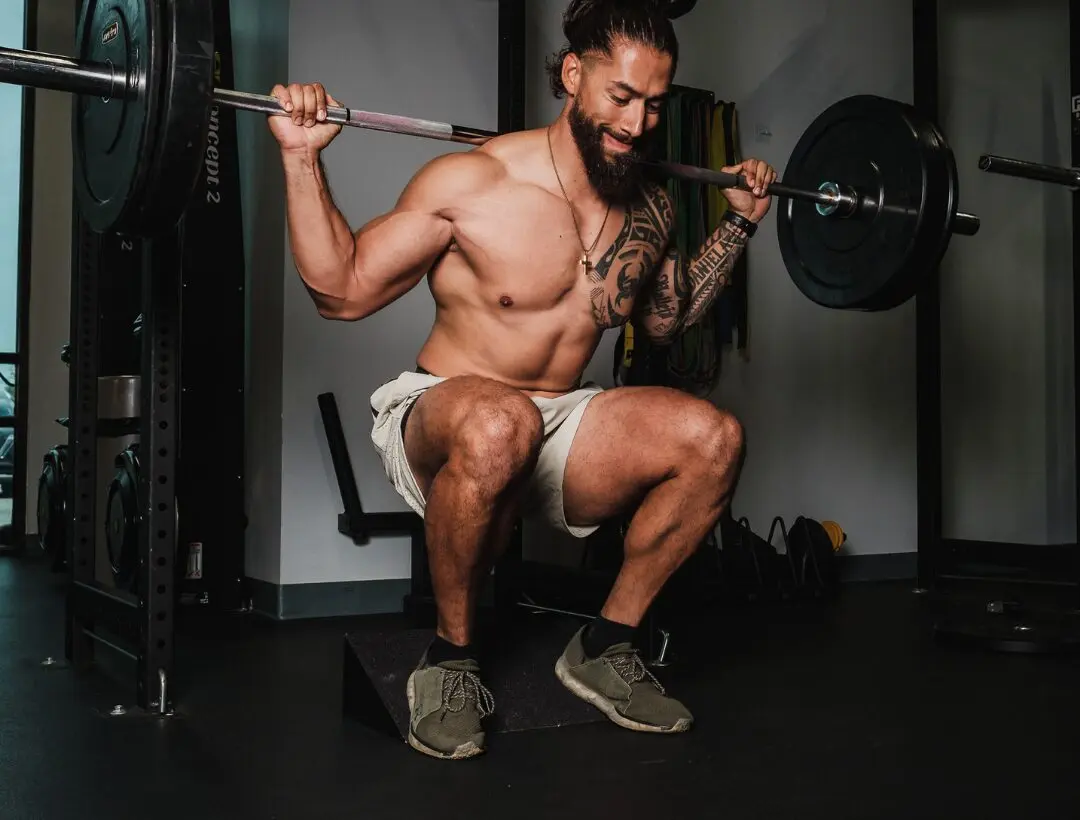
The squat works the quads, hamstrings, glutes, and core all at once, and when loaded, the back and shoulders get involved too. That’s a massive calorie demand from a single movement, which is exactly why it belongs at the top of this list. An intense squat session burns roughly 8 to 10 calories per minute, depending on load and rest periods.
Fat loss tip: Pair squats with push-ups or planks for metabolic conditioning.
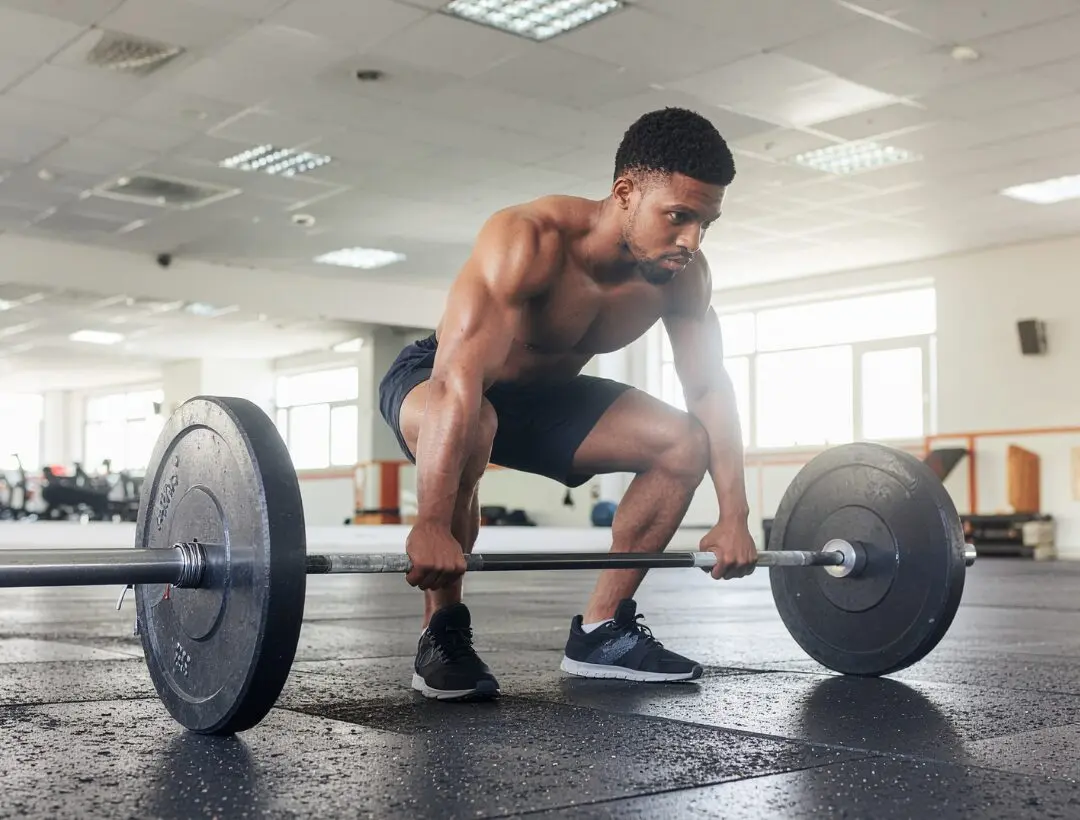
Deadlifts light up the entire posterior chain: glutes, hamstrings, and lower back, while also working the lats, traps, and grip. It’s one of the best full-body movements for fat loss because the loading demand is so high. Expect 6 to 9 calories per minute, depending on weight and rep range.
Fat loss tip: Alternate higher-rep hypertrophy sets with lower-rep strength blocks to get the benefits of both fat burn and muscle gain.
Bench press isn’t just a chest exercise. When done with proper technique, it targets the pecs, triceps, shoulders, lats, and core stability, making it a genuine full-body metabolic driver. On its own, it burns 5 to 7 calories per minute, but paired with lower-body work, it creates serious metabolic stress.
Fat loss tip: Superset bench with squats or lunges for a heart rate spike between sets.

The overhead press taxes the shoulders, triceps, and traps while demanding serious core stability throughout the movement. It’s the best upper body metabolic driver in the compound lift toolkit, burning around 5 to 6 calories per minute and more when built into a circuit.
Fat loss tip: Build the OHP into a circuit squat, press, row for metabolic overload.
Pull-ups train the lats, traps, biceps, and core simultaneously. The neuromuscular demand is high even at bodyweight, making this one of the most efficient pulling movements for fat loss and strength. If you’re not yet doing full pull-ups, rows are the ideal starting point. Either way, expect 4 to 6 calories per minute, but the muscle-building stimulus goes well beyond what that number suggests.
Fat loss tip: Superset pull-ups with push-ups or squats for maximum calorie burn.
The movements are only as effective as the program around them. Here’s how to structure them for maximum fat loss results.
Key Takeaways
Compound lifts are the foundation of every effective fat loss program. Squats, deadlifts, bench press, overhead press, and pull-ups deliver more calorie burn, more muscle, and more metabolic benefit than any isolation exercise or cardio machine can match. If you want a program built specifically around your body, your schedule, and your goals, that’s exactly what I do at Train Like Rob. Book a free consultation and let’s get started.
Compound movements work multiple muscle groups at once — squats, deadlifts, bench press, overhead press, and pull-ups all demand more energy than isolation exercises. That means more calories burned during the session and more muscle built to keep your metabolism elevated all day.
Three to four full-body sessions per week built around these five movements is the most effective approach. That frequency gives you enough stimulus to build muscle and burn fat without overtraining.
Yes — every compound lift has a beginner variation. Goblet squats before barbell squats, kettlebell deadlifts before conventional, push-ups before bench press. Start with the variation that matches your current level and progress from there.
Compound lifts. Cardio burns calories during the session but doesn’t build muscle. Muscle raises your resting metabolic rate, so you burn more calories all day. For sustainable fat loss, compound strength training is the foundation — cardio is a supplement, not the strategy.
Use a weight that’s challenging for 8 to 12 reps with good form. Rest 60 to 90 seconds between sets. This rep and rest range maximizes metabolic stress and fat burning while still building lean muscle.
Not required, but highly recommended if you’re new to barbell training. Squat, deadlift, and overhead press techniques directly affect injury risk. A trainer who programs around compound lifts — like the approach used at Train Like Rob — can get you strong and moving well significantly faster than figuring it out alone.
About the Author
Rob Moal is a Vancouver-based personal trainer with 20+ years of experience. FMS, CAFS (Grey Institute), Precision Nutrition, CanFitPro certified. Trains busy professionals at Evolve Strength in downtown Vancouver. Featured in GQ, Men’s Journal, Forbes, and Eat This Not That.