
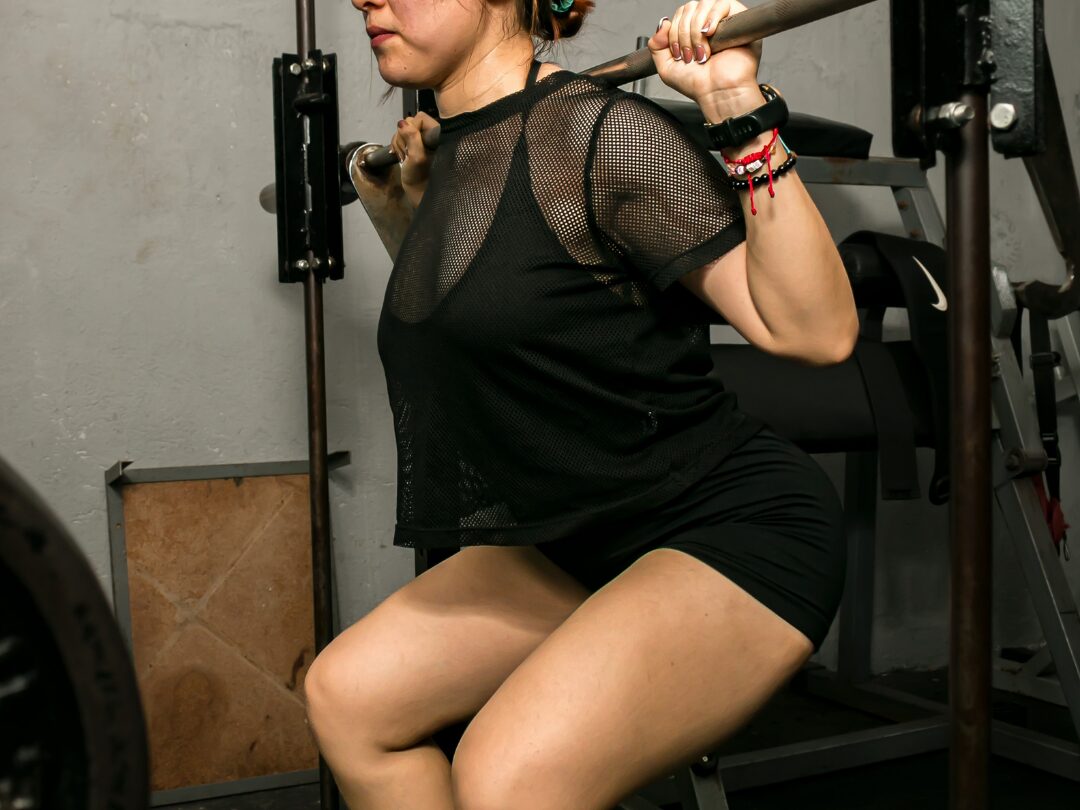
Most people who sit at a desk for 8+ hours a day know something is wrong. The tight hips, the stiff lower back, the shoulders that round forward by 3 pm, these aren’t just discomfort. They’re the physical result of holding the same position for extended periods without the muscular strength to counter it.
The standard response is yoga, stretching, or a gym membership that gets used inconsistently. None of those are wrong, but they’re also not enough on their own. What desk-bound professionals actually need is structured strength work and specifically, a coach who understands how to program around the patterns that sitting creates.
Prolonged sitting isn’t just uncomfortable; it creates specific muscular imbalances that compound over time. The hip flexors shorten and tighten from being held in a contracted position for hours. The glutes, which should be one of the most powerful muscle groups in the body, become inhibited and stop firing correctly. The thoracic spine stiffens. The shoulders round forward as the chest tightens and the upper back weakens.
The result isn’t just postural; it affects how you move in every context. A glute that doesn’t fire correctly puts the load on the lower back during any lifting pattern. Tight hip flexors limit stride length and create anterior pelvic tilt. Rounded shoulders restrict overhead mobility and put the rotator cuff at risk.
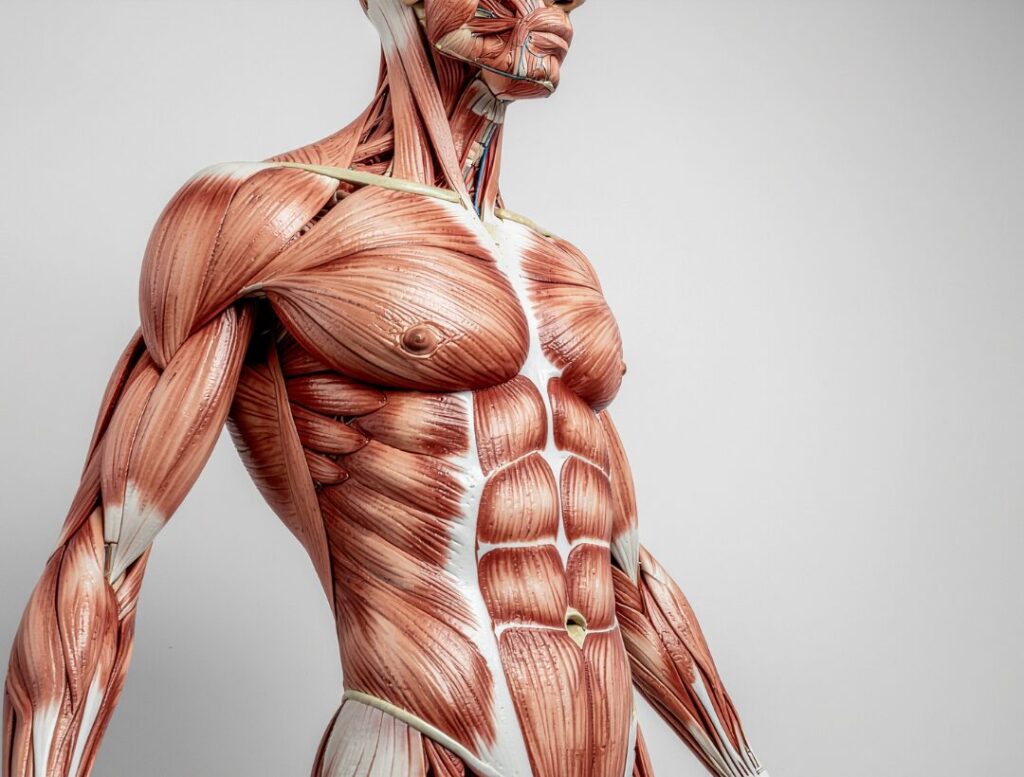
Most gym programs are built around what people want to train, chest, arms, quads, rather than what they need to train. For a desk worker, that typically means doubling down on the muscles that are already overactive and neglecting the ones that are already weak.
Bench press reinforces rounded shoulders. Leg press doesn’t address glute inhibition. Crunches compress a spine that’s already compressed for most of the day. These aren’t inherently bad exercises, but without an assessment identifying your specific imbalances, a generic program is as likely to reinforce dysfunction as it is to correct it.
This is the gap a strength coach fills. Not just programming exercises, but understanding which patterns are dominant and which are absent, and building a program that addresses the actual issue rather than training around it.
The difference between a strength coach and a trainer who counts reps is in the assessment. Before any program is built, a proper assessment identifies how you move here, how you compensate, where mobility is restricted, which muscles are firing correctly and which aren’t.
For a desk worker, that assessment almost always reveals the same cluster of issues: hip flexor dominance, glute inhibition, thoracic restriction, and weak posterior chain. The program gets built around correcting those patterns first, because until those patterns change, every exercise you do is building on a compromised foundation.
The other reason desk workers specifically benefit from a strength coach is consistency. People who sit all day for work are typically high-output, deadline-driven, and prone to deprioritizing training when things get busy. That’s not a character flaw, it’s a predictable pattern.
A coaching relationship changes the math. When a program is specifically yours, when someone is tracking your progress and adjusting week to week, and when check-ins create a thread of accountability outside of your own motivation, consistency becomes structural rather than dependent on willpower.
Most of the desk-bound professionals Rob works with downtown Vancouver didn’t fail at training before because they weren’t trying hard enough. They failed because the program wasn’t built for them, and there was nothing keeping them accountable when work got heavy.
If you’re based downtown or in a nearby neighbourhood, in-person training at The Post (658 Homer St) is a practical option close enough to train before work, at lunch, or after. Real-time coaching and hands-on correction are particularly valuable in the early stages when movement patterns are being rebuilt.
Online coaching works well for desk workers once foundational movement patterns are in place, or for professionals who travel frequently. Video form review catches the compensations that tend to creep back in, and the programming can be adjusted week to week based on check-in data.
The format matters less than the quality of the coaching. Either way, the program should be built around your assessment — not downloaded from a template.
If you’ve been dealing with desk-related tightness, back pain, or a general sense that your body isn’t moving the way it should, a proper assessment is the starting point. Not a YouTube stretch routine, not a generic program. An assessment that tells you what’s actually going on and a program built to address it.
A free consultation takes 20 minutes. You’ll leave with a clear picture of what your body specifically needs and what a proper program would look like for your situation.
→ Book a free consultation
Sitting for extended periods creates specific muscular imbalances — tight hip flexors, inhibited glutes, a rounded thoracic spine, and a weak posterior chain. Generic gym programs often reinforce these patterns rather than correct them. A strength coach assesses what’s actually happening in your movement and builds a program that addresses the root cause, not just the symptoms.
Prolonged sitting shortens hip flexors, inhibits glute function, stiffens the mid-back, and weakens the posterior chain. These aren’t just posture issues — they affect how you move in every context, increase lower back pain risk, and create compensations that make standard gym exercises less effective and potentially harmful.
Hip hinge patterns like deadlifts and kettlebell swings to activate the glutes and take the load off the lower back. Thoracic mobility work to restore shoulder function. Posterior chain exercises like rows and face pulls to counter forward rounding. Core stability work focused on anti-rotation and anti-extension rather than crunches.
Three sessions per week is the effective minimum for desk workers. Consistency matters more than frequency — a well-structured three-day program done consistently produces better results than a five-day program that gets skipped when work gets busy.
Yes — particularly once foundational movement patterns are in place. Video form review catches compensations that tend to creep back in, and the program adjusts week to week based on check-in data. For professionals who travel or can’t commit to fixed in-person sessions, online coaching is a practical and effective option.
In-person sessions run at The Post at 658 Homer St #410 — close enough to train before work, at lunch, or after. Online coaching is also available for professionals who prefer flexibility or travel frequently.
Online Personal Trainer In Vancouver: The Future Of Fitness Is Already Here - Vancouver Personal Trainer | Train Like Rob says:
[…] Related Blog: Why You Need a Strength Coach in Vancouver (Especially if You Sit All Day) […]