
Author: Rob Moal, CPT | Published: 2026 | Reviewed by: Rob Moal, CPT, FMS, Precision Nutrition
Quick Answer
Losing 20 pounds before summer is realistic at 1 to 2 pounds per week — that’s 10 to 20 weeks with a 500 calorie daily deficit, adequate protein, and consistent strength training. Nutrition drives 80% of fat loss. Strength training preserves muscle so your metabolism stays elevated. Crash diets without protein or resistance work cause muscle loss and almost always lead to rebound weight gain.

With the approach of summer, many individuals become increasingly focused on their health and fitness goals. Losing 20 pounds may seem like a daunting task, but by breaking it down into manageable steps and staying committed to a structured plan, it is entirely achievable. This article will provide comprehensive insights and strategies tailored for anyone looking to drop the extra weight while maintaining a healthy lifestyle.
Embarking on a weight loss journey requires not only dedication but also an understanding of how various factors contribute to fat loss. Each individual’s body responds differently to diet and exercise; thus, personalizing your approach is key to long-term success.
Follow this guide to achieve your weight loss goals effectively.
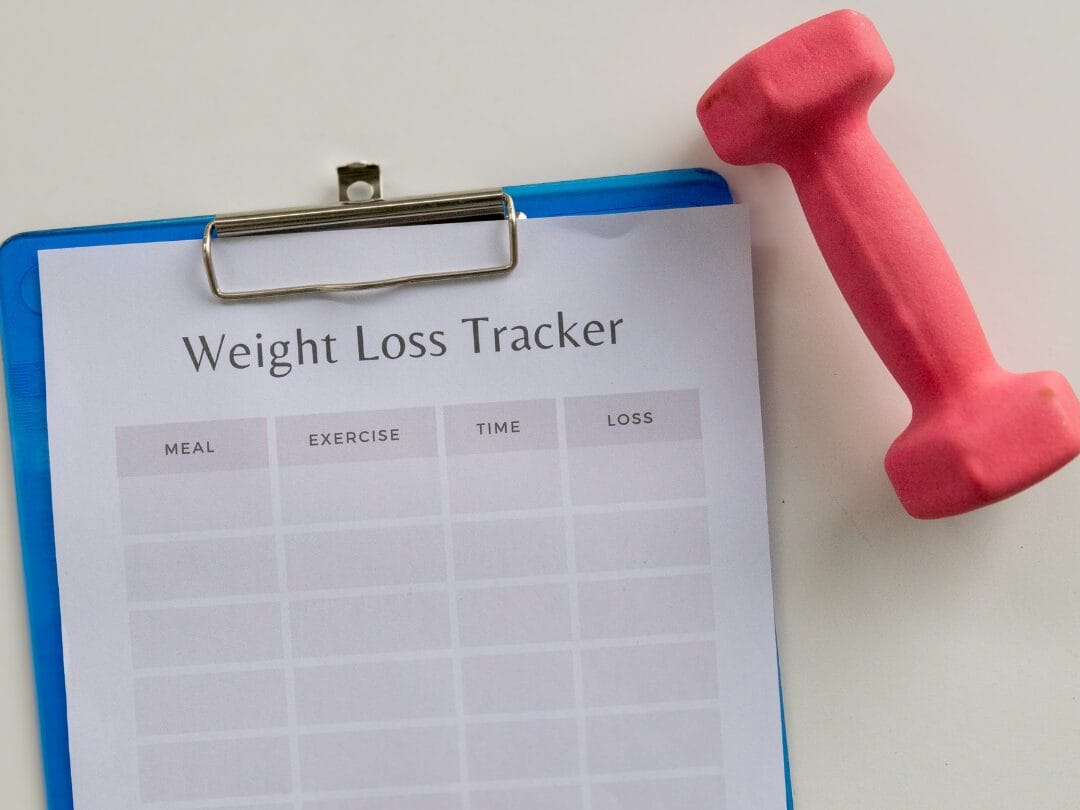
Losing 20 pounds in time for summer is achievable — but only if you combine the right approach with realistic expectations. Here’s what actually works.
Start by calculating your Total Daily Energy Expenditure (TDEE) — the calories you burn daily. Create a deficit of 500 calories per day to lose roughly 1 to 2 pounds per week. At that rate, 20 pounds takes 10 to 20 weeks. Track your weight, measurements, and photos weekly so you can see what’s working.
Diet drives 80% of fat loss. Exercise is the other 20%. Get this ratio wrong, and no training program will compensate.
Aim for 0.8g of protein per pound of goal body weight. Protein preserves muscle during a deficit, keeps you full, and supports recovery. Hit 20 to 30g of fibre daily through vegetables, whole grains, and legumes. Stay hydrated and cut liquid calories — alcohol and sugary drinks are the fastest way to stall progress.
Three to four resistance training sessions per week, built around compound movements such as squats, deadlifts, rows, and presses, preserve muscle while you lose fat. That matters because muscle drives your resting metabolism. Lose muscle during a cut, and you’ll regain the weight faster.
Add low-intensity cardio, 30- to 60-minute walks, and occasional HIIT sessions for additional calorie burn. Hit 8,000 to 12,000 steps daily to maximize NEAT, the calories you burn outside the gym.
Seven to nine hours of sleep per night directly affects hunger hormones and fat loss. Chronic sleep deprivation increases cortisol and cravings. Chronic stress does the same. These aren’t lifestyle extras; they’re part of the program.
| Day | Training | Focus |
|---|---|---|
| Monday | Full-body strength | Progressive overload |
| Tuesday | HIIT + Core | Short and intense |
| Wednesday | Strength — push/pull | Review nutrition intake |
| Thursday | LISS + mobility | Active recovery |
| Friday | Strength + conditioning | Stress reset |
| Saturday | Active recovery | Walk, yoga, or stretch |
| Sunday | Rest + meal prep | Plan the week ahead |
Weigh yourself weekly at the same time of day. Take measurements and photos every four weeks; the mirror and tape measure show progress that the scale misses. Track strength improvements in the gym. If you’re getting stronger while losing weight, you’re doing it right.
Skipping strength training in favour of cardio only. Crash dieting without adequate protein. Expecting spot reduction — fat loss is systemic, not localized. Ignoring sleep and stress. These are the reasons most summer cut attempts fail.
Key Takeaways
Losing 20 pounds before summer is a realistic goal with the right program behind it. If you’re a busy professional in Vancouver and want a plan built specifically around your body, your schedule, and your goals, book a free consultation and let’s map it out.
Yes — at 1 to 2 pounds per week, 20 pounds takes 10 to 20 weeks. Starting in January or February gives you a realistic timeline for summer. The key is a sustainable calorie deficit with adequate protein and consistent strength training, not a crash diet.
Aim for 0.8g of protein per pound of your goal body weight daily. This supports muscle retention during a calorie deficit, keeps hunger manageable, and improves recovery from training.
Both — but strength training comes first. Cardio burns calories in the session. Muscle raises your resting metabolism all day. Programs built around compound strength movements with cardio as a supplement produce better body composition results than cardio-dominant approaches.
Ten to twenty weeks at a rate of 1 to 2 pounds per week. Faster than that typically means muscle loss alongside fat, which lowers your metabolic rate and increases the likelihood of rebound weight gain.
Usually, the approach that created the loss wasn’t sustainable — crash dieting, excessive cardio, inadequate protein, or poor sleep. Sustainable fat loss requires building habits you can maintain, not following a temporary program.
Not required, but a trainer eliminates the guesswork, builds a program around your specific body and schedule, and keeps you accountable. For busy professionals in Vancouver, that structure is often what makes the difference between another attempt and lasting results.
About the Author
Rob Moal is a Vancouver-based personal trainer with 20+ years of experience. FMS, CAFS (Grey Institute), Precision Nutrition, CanFitPro certified. Trains busy professionals at Evolve Strength in downtown Vancouver. Featured in GQ, Men’s Journal, Forbes, and Eat This Not That. Book a consultation here.