

Most people who want to lose fat have already tried something. A diet, a program, a gym membership. It worked for a while, then stopped working, then they started over. That cycle is the real problem, not lack of effort.
The reason it keeps happening is that most fat loss approaches treat the symptom instead of the cause. They focus on short-term restriction rather than building the habits and physical foundation that make the results stick. This is a breakdown of what actually drives lasting fat loss: the training side, the nutrition side, and where most people go wrong on both.
Steady-state cardio burns calories during the session. That’s useful, but it’s also the full extent of what it does for fat loss. The problem is that as your body adapts to a consistent cardio load, it becomes more efficient — meaning it burns fewer calories doing the same amount of work. Add in the muscle loss that often accompanies extended cardio without resistance training, and you end up with a lower resting metabolism than when you started.
That’s the plateau pattern most people recognize. The scale moves initially, then stops, and then the weight comes back when the cardio routine becomes unsustainable.
Cardio has real value for cardiovascular health, active recovery, and stress management. But it’s not the primary driver of fat loss. That comes from what you build, not just what you burn.
Muscle tissue burns more calories at rest than fat tissue does. Building more of it raises your resting metabolic rate, meaning your body burns more calories around the clock, not just during workouts. That’s the compounding effect that makes fat loss sustainable over time rather than dependent on sustained caloric restriction alone.
Strength training also produces EPOC — excess post-exercise oxygen consumption. After a resistance training session, your body continues burning elevated calories for hours during the recovery and repair process. A 45-minute lifting session produces a meaningfully different metabolic response than 45 minutes on a treadmill.
The concern about getting ‘bulky’ from lifting is almost universally unfounded. In a caloric deficit, building significant muscle mass isn’t physiologically possible; what happens instead is that fat decreases while muscle tone becomes more visible.
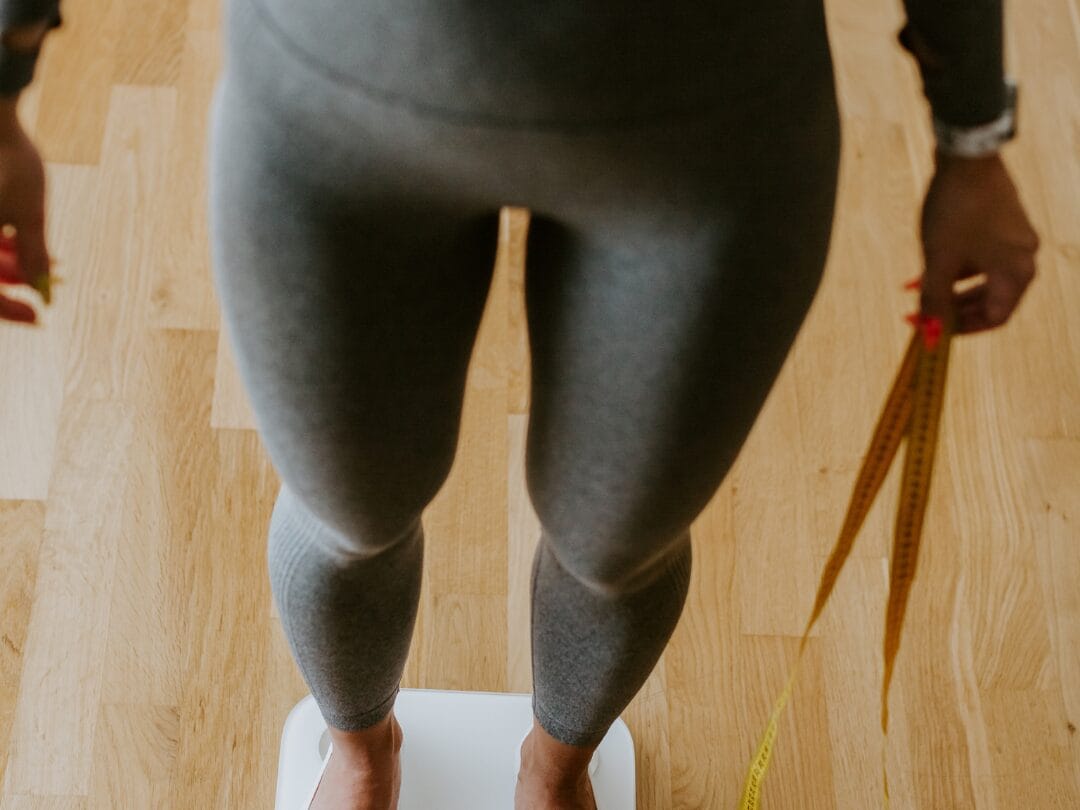
Fat loss requires a caloric deficit. That’s the non-negotiable. Everything else, meal timing, food combining, and specific diets sit on top of that foundation and are largely secondary.
The reason most diets fail isn’t that they don’t work. It’s that they’re not sustainable. Extreme restriction produces results in the short term and misery in the medium term, which eventually leads to abandonment and rebound. The goal is a modest deficit you can maintain long enough to produce real change.
Healthy fat loss typically runs at 0.5–1kg per week. It feels slow. It’s also the pace at which muscle is preserved, hormones stay stable, and the results actually last. Faster than that, and the weight that comes off is increasingly muscle and water, not fat.
Most people frame consistency as a willpower problem. It isn’t, it’s a systems problem. The people who stay consistent aren’t more disciplined; they’ve removed more of the decision-making and friction from the process.
A well-designed training program removes the question of what to do. A nutrition approach you can actually sustain removes the question of what to eat. Both reduce the daily cognitive load that eventually leads to abandoning the process when life gets complicated.
Working with a coach accelerates this because someone external is tracking your progress, catching pattern breaks early, and adjusting the program when it stops working rather than leaving you to figure out why you’ve plateaued on your own.

The scale is a useful data point and a terrible daily focus. It fluctuates by 1–3kg based on hydration, sodium, hormones, and digestion, none of which reflect actual fat loss. Checking it daily and reacting to the number is one of the fastest ways to derail consistency.
More useful metrics to track alongside weight:
The goal is a trend over time, not a number on any given day. A coach helps interpret what the data is actually telling you rather than reacting to daily noise.
The most common mistake is trying to overhaul everything at once: training, nutrition, sleep, and lifestyle simultaneously. That’s the approach most likely to produce two good weeks and then a complete collapse back to baseline.
A more reliable path is getting the training right first, then building the nutrition habits on top of a foundation that’s already working. The structure of a proper program gives you something to orient around, which makes the other changes easier to sustain.
If you’re in Vancouver and want a program built around your actual schedule, goals, and history, not a template with your name on it, a free consultation is the starting point.
A combination of progressive strength training, a modest calorie deficit with adequate protein, and consistent habits you can maintain long term. Cardio has value but isn’t the primary driver. Muscle tissue raises your resting metabolic rate, meaning your body burns more calories around the clock — that’s what makes fat loss sustainable rather than dependent on constant restriction.
Usually, because the approach that created the loss wasn’t sustainable — extreme restriction, excessive cardio without strength training, or inadequate protein. When the approach stops, the weight returns. Sustainable fat loss requires building habits and a physical foundation that make the results stick, not just creating a short-term deficit.
Most people eat significantly less than they need. A practical target is 0.8g per pound of goal body weight daily. Protein is the most satiating macronutrient, critical for preserving muscle in a deficit, and supports recovery from training.
A healthy rate is 0.5 to 1kg per week. It feels slow — it’s also the pace at which muscle is preserved, hormones stay stable, and the results actually last. Faster than that, and the weight coming off is increasingly muscle and water, not fat, which leads to a lower metabolism and eventual rebound.
No — in a calorie deficit, building significant muscle mass isn’t physiologically possible. What happens instead is that fat decreases while existing muscle tone becomes more visible. The result is a leaner, more defined appearance, not a larger one.
A trainer removes the guesswork from both training and nutrition, tracks your progress, catches plateaus early, and adjusts the program when it stops working. For busy professionals in Vancouver, that external structure and accountability is often the difference between another attempt and results that actually last.