
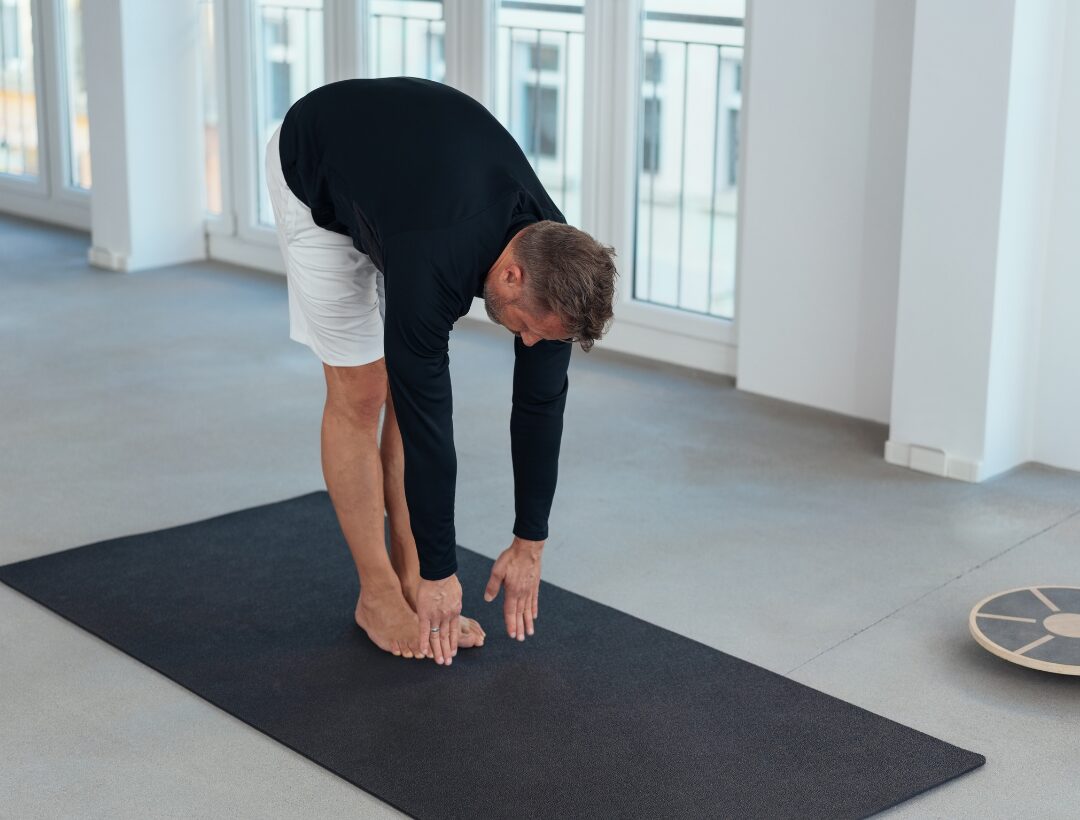
“If you’re truly listening, your body will tell you exactly where it’s weak.”
Most people push through workouts thinking reps equal results. They don’t. Reps on top of a broken foundation just reinforce the problem.
These five movements work as diagnostic tools. When you struggle with one, it’s not a failure; it’s information. Your body is pointing at the exact foundation that needs work. Here’s how to read the signals and fix what’s actually wrong.
Knees caving inward, a shallow range of motion, heels lifting off the floor, these aren’t random. They point to tight ankles, weak glutes, or collapsed arches. When your squat falls apart, your base is telling you it needs work.
Start with 4 sets of 8 bodyweight squats with support. Rock progressively deeper as ankle mobility and glute control improve.
Hips sinking, shoulders drifting, spine rotating, if you can’t hold a side plank for 30 seconds, your lateral core and shoulder chain are the weak links. This matters more as you get older. A strong lateral line protects your lower back, knees, and hips in every direction.
Build from 3 sets of 20-second holds per side up to 3 sets of 45 seconds before adding any load.
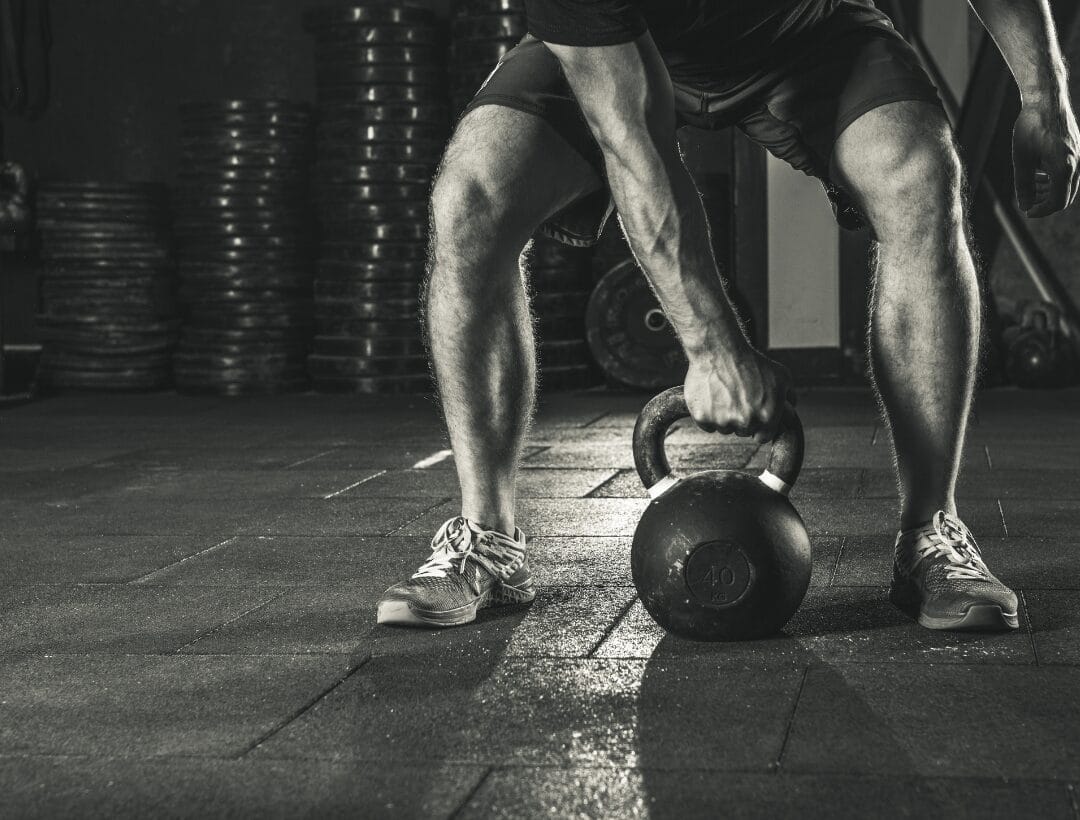
Rounding your back when you try to hinge from the hips is one of the most common movement breakdowns I see. It usually means tight hip flexors, weak hamstrings, or a core that shuts off under load. Fix the hinge, and almost every other lower-body movement improves with it.
Aim for 3 sets of 8 reps per side with full control and a neutral spine throughout. Tempo matters more than load here.
Sagging hips, flaring elbows, a dropped ribcage, these push-up breakdowns have nothing to do with arm strength. They’re showing you a weak core, poor scapular control, and misaligned hips. The push-up is one of the best diagnostics for how well your upper and lower body work together.
Start with 5 slow, controlled reps on an elevated surface. Only progress to the floor when your form stays completely tight from head to heel.
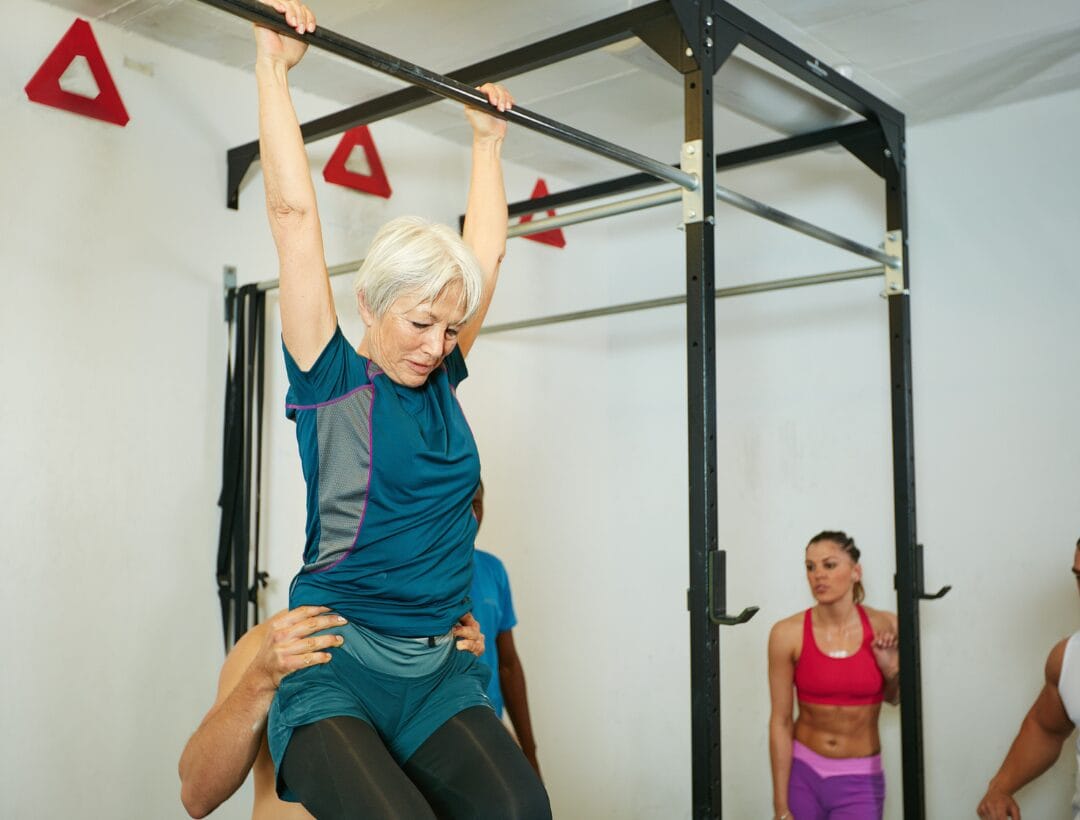
Most people can’t hang from a bar for more than 10 to 20 seconds. That’s telling you something, usually that grip strength, scapular stability, or shoulder mobility has declined. The dead hang is also one of the best passive decompression tools for the spine, which makes it especially valuable for anyone who sits most of the day.
Build to 3 sets of 20-second unsupported hangs. Once that feels easy, add time before adding any additional load.
Your shoulders, hips, and ankles coordinate every movement you make. A breakdown in one area ripples through the entire kinetic chain. Add a weak core, poor posture, or tight hip flexors on top of that, and even basic movements become sources of pain or dysfunction.
These five check-ins act like a systems scan. They’re a fast, practical way to identify exactly where your structure needs attention before those gaps turn into injuries.

Use this as a foundation. Add load, reduce progressions, or increase mobility work depending on how your body responds each week.
| Day | Focus Area | Movements |
| Monday | Ankles & Glutes | Bodyweight squat variations + calf raises + calf stretches |
| Wednesday | Core & Scapular Control | Side plank holds + bird-dogs + scapular push-ups |
| Friday | Posterior Chain & Upper Body | Assisted dead hang + hip hinges + incline push-ups |
| Weekend | Recovery & Mobility | Foam rolling, hip and thoracic mobility drills, and foundational walking |
Stop chasing reps and sweat for their own sake. Movement breakdowns are information they’re telling you exactly where to focus. Fix the foundation, and everything built on top of it gets better: strength, endurance, injury resilience, and how you feel day to day.
You’re not broken. You just need to build in the right order.
I work with busy Vancouver clients over 35 on exactly this realigning movement patterns and building a foundation that actually supports the training on top of it. If your body feels stiff, achy, or just off, that’s where we start.→ Book a free consultation
Fitness check-ins are simple movement assessments that reveal how well your body is actually functioning — not just how hard you can train. They identify breakdowns in mobility, stability, and movement patterns before they become injuries or plateaus.
Common signs include compensating on one side during squats or lunges, losing balance during single-leg work, limited overhead reach, tight hips that restrict hip hinging, and rounding through the lower back under load. These aren’t just technique issues — they’re signals about what needs attention.
Yes — but you need to build around them, not through them. Training on top of a broken foundation increases injury risk and limits how strong you can actually get. Addressing the limitation first makes everything built on top of it more effective.
Every 8 to 12 weeks is a good baseline. More frequently if you’re coming back from an injury, starting a new program, or noticing changes in how your body feels during training.
After 35, muscle mass and joint mobility decline faster if not actively maintained. Movement restrictions that felt minor at 25 become significant limiters on strength, performance, and injury resilience a decade later. Addressing them early keeps you training hard for longer.
A trainer who understands movement assessment and corrective work can identify exactly what’s breaking down and why — something most people can’t accurately self-diagnose. For busy professionals in Vancouver over 35, that foundation work is often the missing piece between staying stuck and making real progress.