

What to Look For When Hiring a Personal Trainer
Most gyms are easy to join. Finding a trainer who actually moves the needle is harder. The fitness industry has low barriers to entry — a weekend certification and an Instagram account are enough for some people to start taking clients. So if you’re investing in 1-on-1 training, knowing what to look for upfront saves you months of wasted time and money.
It’s not motivation. Most high-performing professionals have plenty of that. The issue is that the standard gym model wasn’t designed for someone working 50-hour weeks, managing a team, and trying to decompress at the same time.
Generic programs leave you with sore knees and hips from movements your body wasn’t ready for, a stiff lower back that gets worse the more you train, inflammation in the shoulders from too much pressing and not enough recovery, and no clear sense of whether you’re actually making progress.
The issue isn’t the gym; it’s that the program wasn’t built for you.
Working with a personal trainer 1-on-1 isn’t just about having someone count your reps. The difference is in how the program is built from the start.
Before a single set is programmed, a movement and mobility assessment identifies where your body is actually at, tight hips from sitting all day, a shoulder that doesn’t like pressing overhead, and a lower back that rounds under load. That information shapes everything that follows.
Whether the goal is fat loss, strength, mobility, or all three, the program is designed specifically for that outcome. Sessions are scheduled around your workday, not around a class timetable. If your schedule shifts, the program shifts with it.
Every session builds on the last. When something isn’t working, a movement that aggravates an old injury, a rep range that isn’t producing the right adaptation, it gets adjusted. There’s no guessing and no grinding through pain, hoping it gets better.
Most of the clients I work with are 35 and over. They’re professionals, executives, or business owners who are serious about their health but don’t have time to waste on programs that don’t deliver.
This tends to be the right fit if:
This isn’t about extremes or punishment. It’s about training intelligently and consistently for the long term.
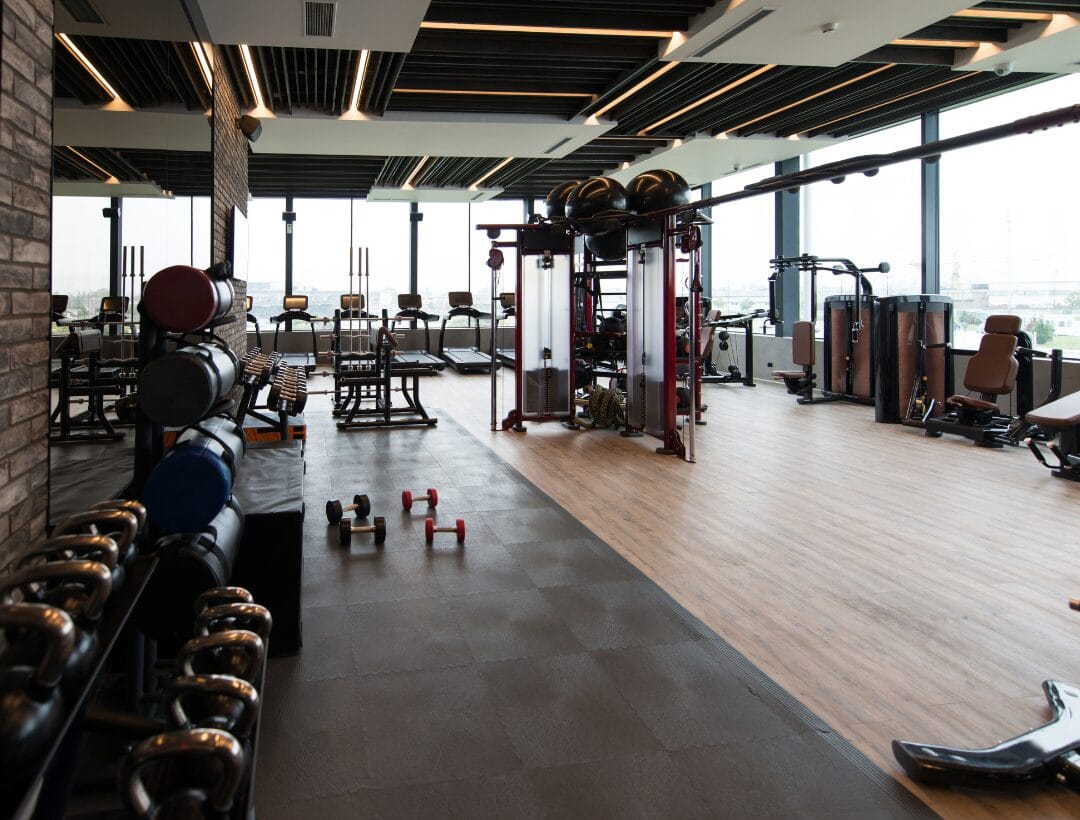
Training takes place at The Post 658 Homer St #410. It’s a private, professional facility that’s a different experience from a crowded commercial gym. Sessions can also run at your condo gym or in a hybrid in-person and online format if your schedule or travel requires it.

Results vary, but the patterns that show up most consistently after a few months of 1-on-1 training are:
The goal isn’t a transformation photo. It’s a body that works well and holds up for decades.
A good trainer sets realistic expectations from the start. Fat loss takes time. Strength takes time. Anyone promising dramatic results in 30 days is selling something. The trainers who actually produce results are the ones who build sustainable programs, not the ones chasing quick wins. We’ll talk through your goals, what’s been holding you back, and what a realistic plan looks like for you.→ Book a free consultation
Look for recognized certifications (CanFitPro, NSCA, ACE, NASM) as a baseline, but experience and specialization matter just as much. A trainer who has worked extensively with clients in your age group and with your goals is more valuable than credentials alone.
The initial consultation tells you most of what you need to know. Do they ask good questions? Do they listen? Do they explain their approach clearly? If the conversation feels like a sales pitch rather than an assessment, keep looking.
Rates vary by market and experience. Most qualified 1-on-1 trainers range from $80 to $150 per session. The better question is whether the program produces results — effective training costs less over time than years of spinning your wheels.
A good first session starts with a movement and mobility assessment, not a workout. This identifies what your body actually needs — tight hips, shoulder restrictions, lower back issues — and shapes everything that follows. You should leave with a clear sense of the plan, not just sore.
Going to the gym and training effectively are different things. A trainer identifies what’s missing, corrects movement patterns before they become injuries, and builds a program with a clear direction. Most people who’ve worked with a good trainer say they wish they’d done it sooner.
Yes — in most cases a trainer experienced in rehab and corrective work can build a program around your injury rather than through it. The assessment process identifies what needs to be modified, and progress continues safely from there.